
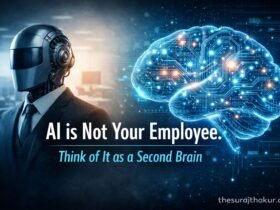
The real advantage of AI does not come from replacing human thinking, but from standing beside it. When people and AI work together, each bringing their strengths, decisions become sharper, execution becomes smarter, and understanding deepens instead of disappearing. This shift is not about delegation. It is about collaboration.
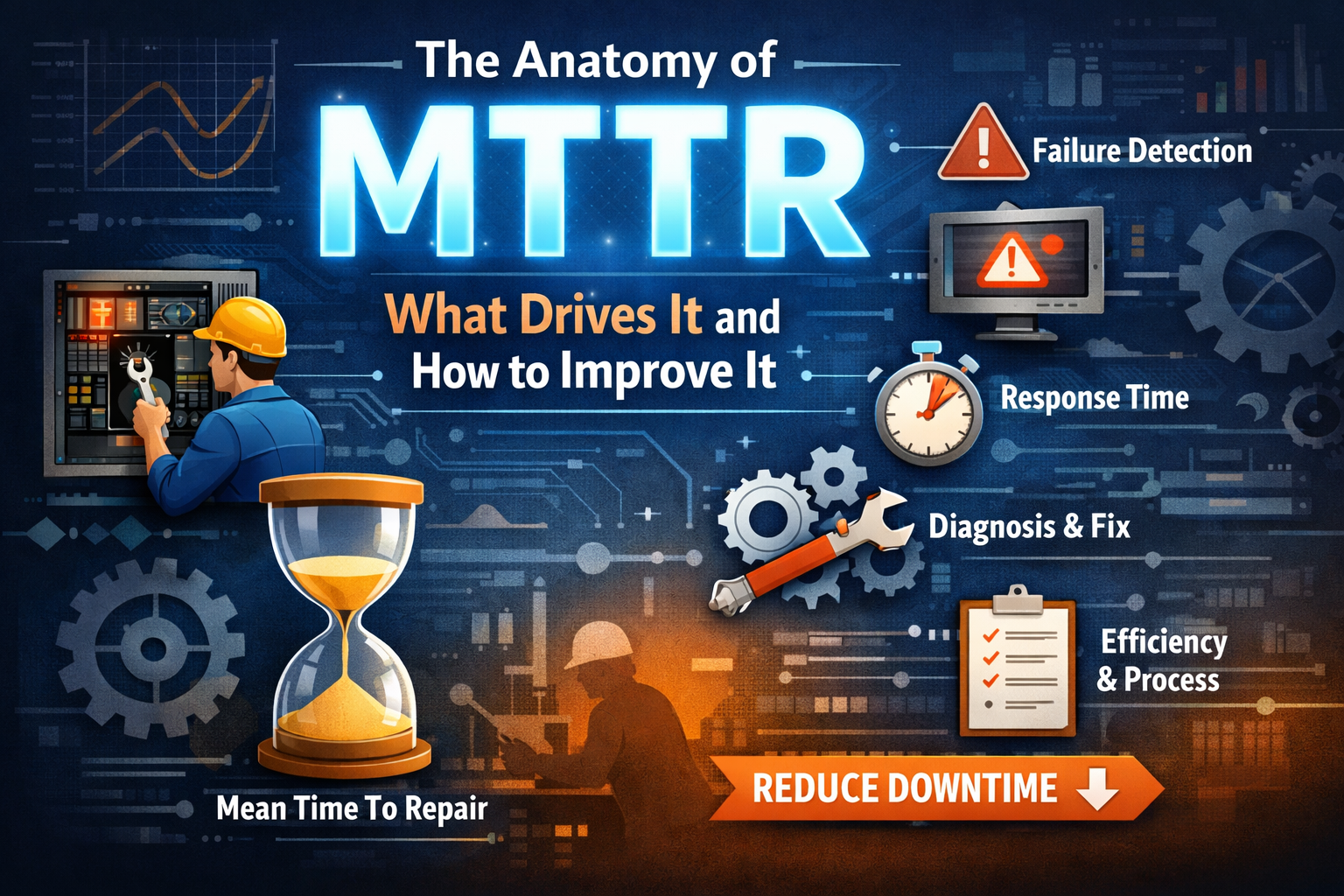
MTTR isn’t just a production metric; it reflects how quickly teams can diagnose, decide, and recover under pressure. Long MTTR often exposes gaps in ownership, visibility, and incident readiness rather than actual system complexity.
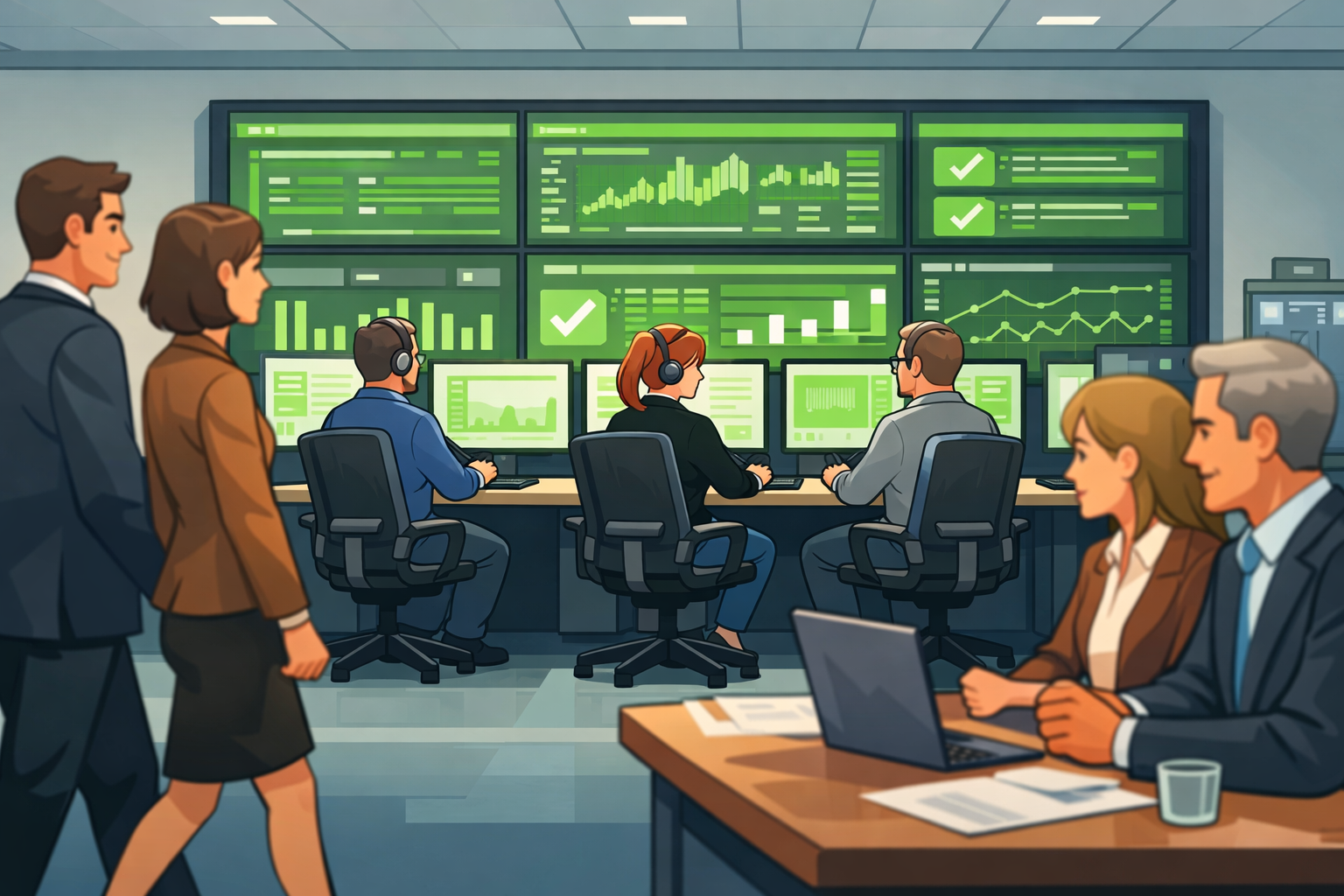
Stability in IT operations is rarely accidental, yet it is often taken for granted. This piece explores why calm systems go unnoticed, how urgency shapes perception, and what organisations miss when reliability becomes invisible.
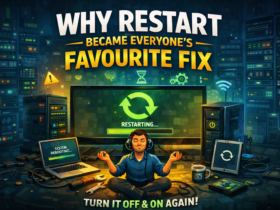
In production, restarting services often feels like the fastest way to restore normality, but it can quietly become a default habit rather than a careful choice. Restarts are sometimes necessary to protect users, yet they can erase evidence, hide deeper problems, and create risky zombie states if used too casually.

Some of the hardest production issues are not loud outages but quiet, intermittent failures that disappear whenever an engineer starts investigating. These incidents rarely leave clean evidence, frustrate teams, and expose deeper gaps in monitoring, observability, and communication rather than individual mistakes.
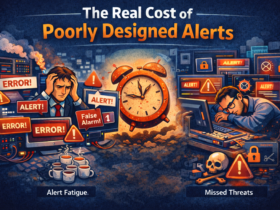
Years of noisy, poorly designed alerts can quietly reshape how engineers respond to incidents. Over time, production teams learn to live with constant interruptions, until one major issue slips through the cracks. This is not the story of an individual mistake - it is a story about broken monitoring systems, panic-driven escalation culture, and how organizations unintentionally train their engineers to ignore danger.