
Working in production or application support for several years gives you a clear view of how organisations really operate. You work close to systems that directly impact the business and spend most of your time ensuring that problems never surface. Over time, a recurring pattern becomes visible: leadership engagement increases primarily during moments of urgency.
That urgency does not always mean a full outage. It can be performance degradation, a risky release, a compliance deadline, or a sudden business event that demands immediate attention. In these moments, production and support teams become highly visible. Outside of them, their work often fades into the background.
Visibility Is Tied to Pressure, Not Consistency
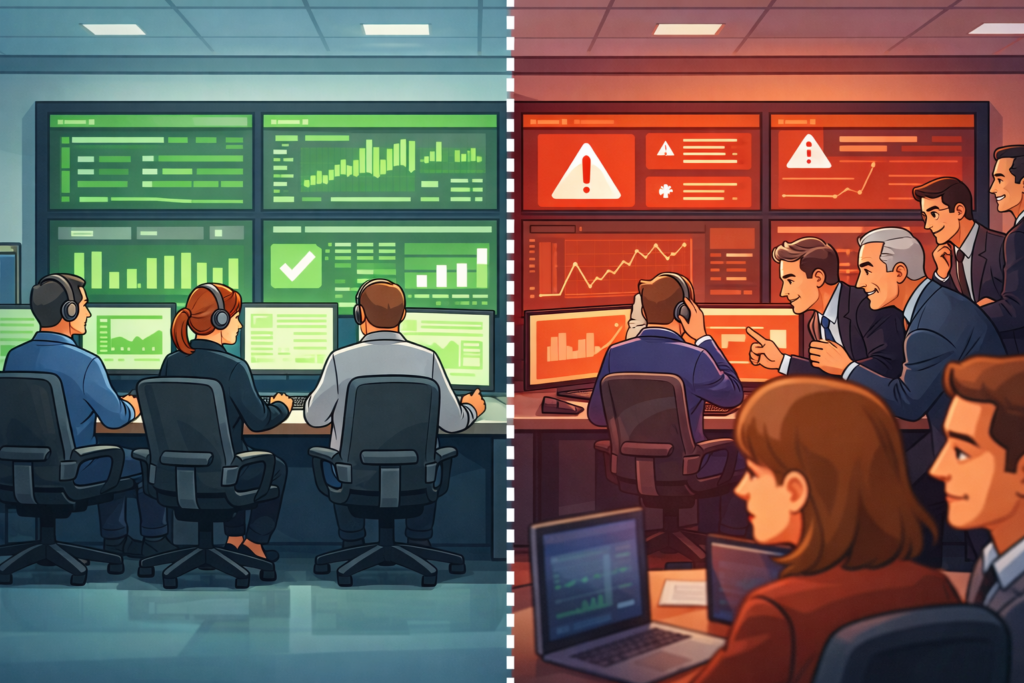
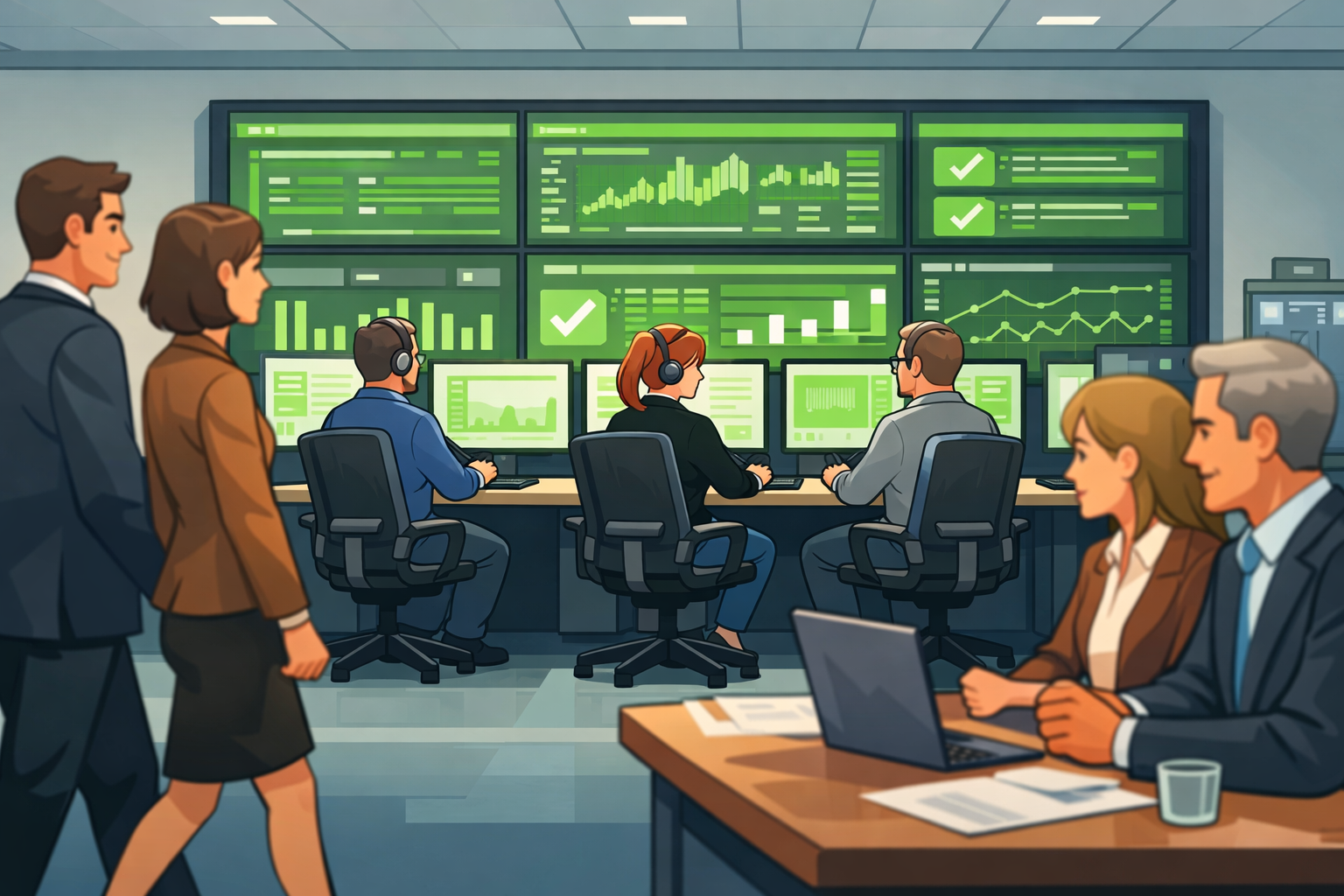
During stable periods, production support work largely goes unnoticed. Systems run, transactions flow, and users remain unaware of the effort required to maintain that state. This consistency is treated as the baseline expectation rather than an outcome achieved through active work.
However, the moment urgency enters the picture, the same work becomes highly visible. Status updates are requested frequently, calls are scheduled back-to-back, and leadership engagement increases. The shift is not subtle. It reinforces the idea that value is recognised only when something feels urgent or at risk.
The Hidden Work Behind “Business as Usual”
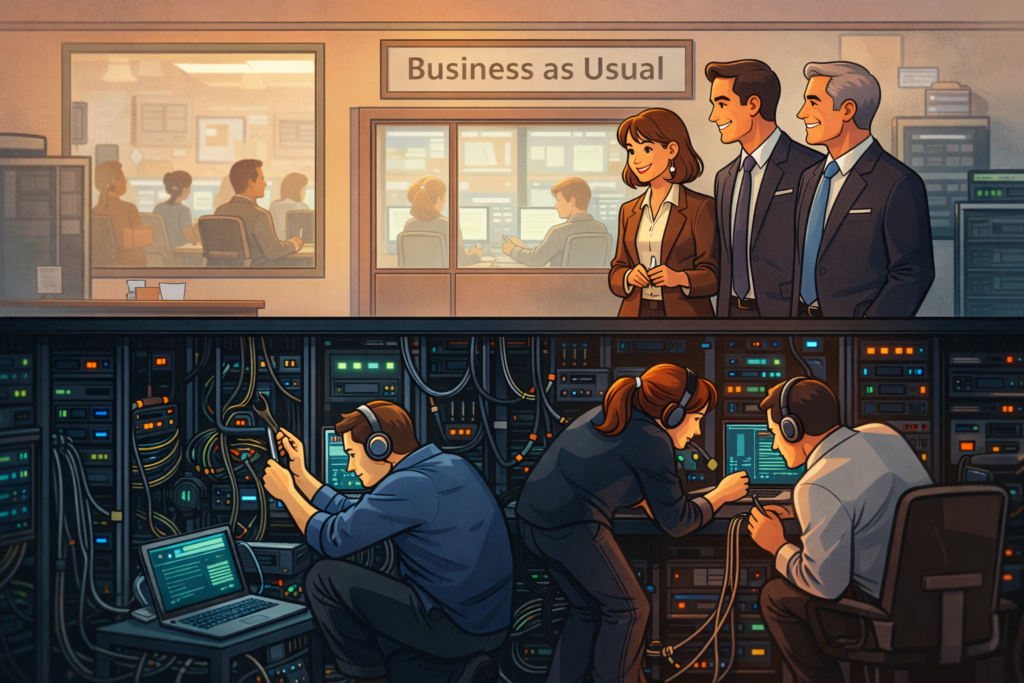
Production stability is not passive. It is the result of continuous monitoring, proactive checks, preventative maintenance, and careful handling of changes. Risks are identified early, small issues are addressed quietly, and potential failures are often resolved before they escalate.
Because this work does not create visible events, it rarely creates recognition. Over time, this creates a disconnect where effort and impact are not directly associated in the eyes of leadership.
Why Urgency Naturally Pulls Leadership In
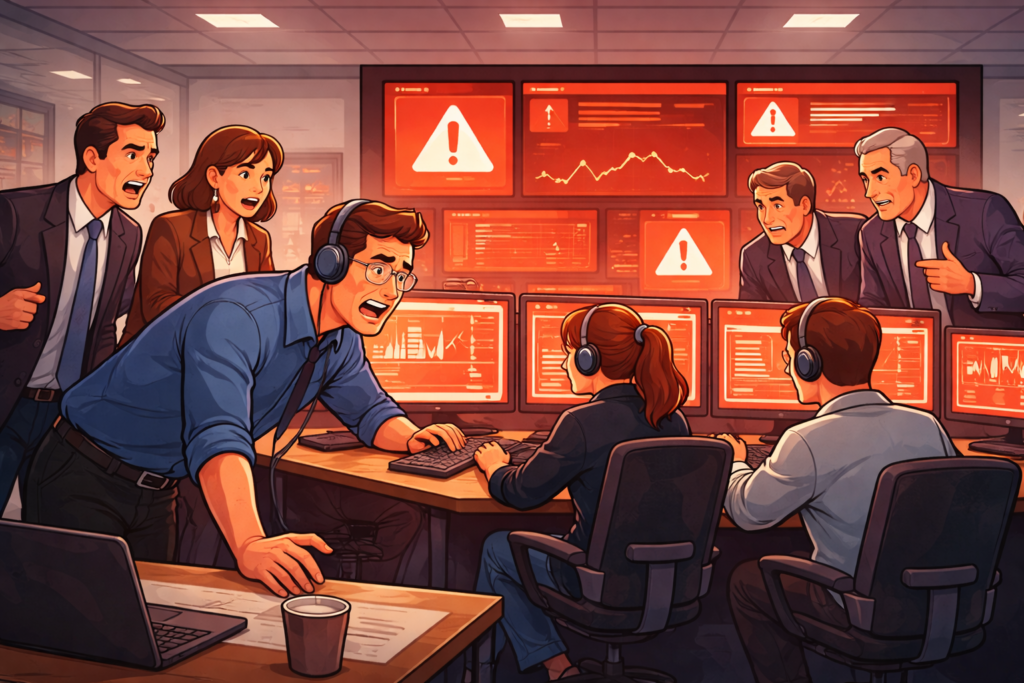
Urgency demands decisions, escalations, and accountability. It naturally pulls leadership into the conversation because it carries immediate business risk. Preventative work, on the other hand, does not create the same sense of urgency, even if its long-term impact is far greater.
This leads to a reactive pattern where resources, focus, and authority are concentrated around high-pressure moments rather than sustained stability. Teams are measured by how they respond under pressure, not by how effectively they reduce the need for that pressure in the first place.
How Demanding Situations Shape Perception
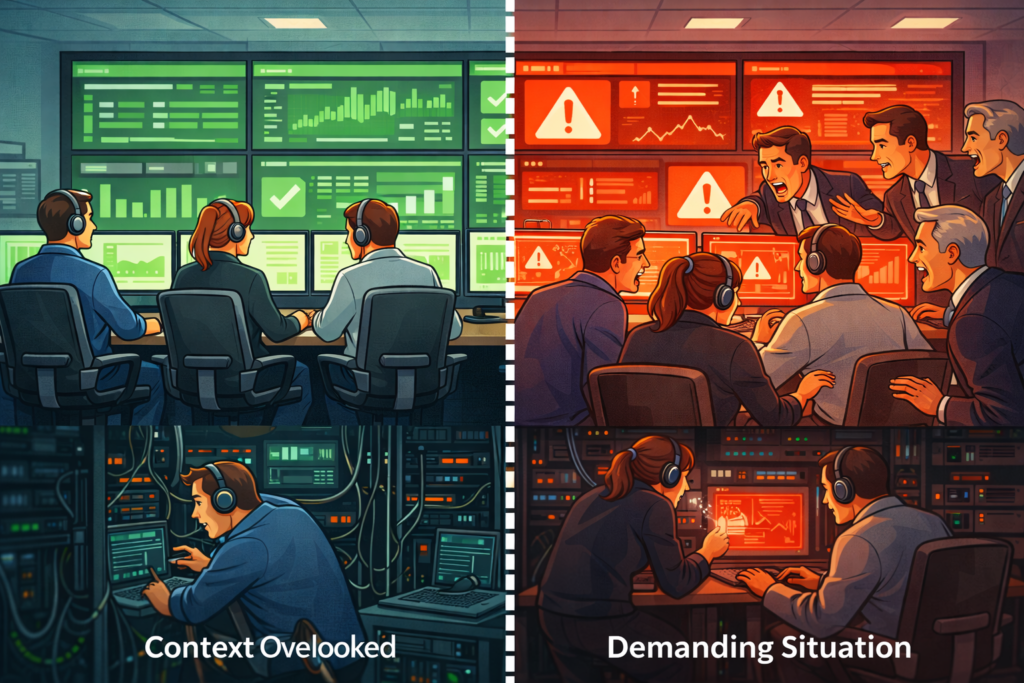
When leadership interacts with support teams mainly during demanding situations, their perception of the team is shaped by stress, incomplete information, and time pressure. Decisions are made quickly, communication becomes fragmented, and technical complexity is often oversimplified.
What is missing from this picture is the context of everyday operational discipline that prevents most problems from ever becoming urgent. As a result, short moments of pressure outweigh long periods of effective system management.
Responsibility Without Matching Authority
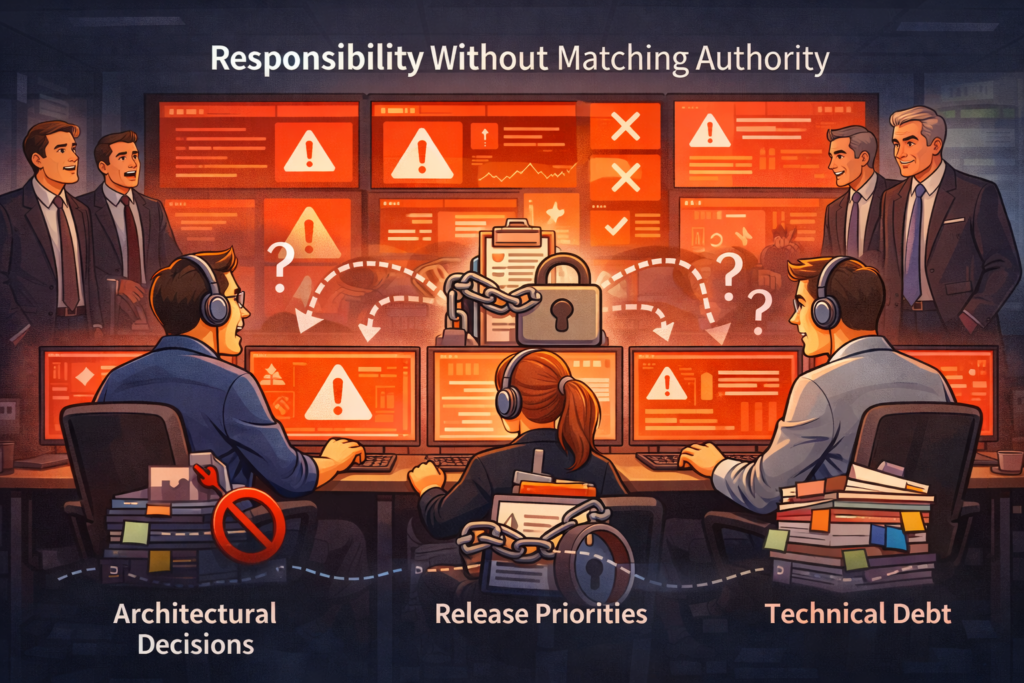
Production and application support teams are frequently accountable for system reliability and business continuity. However, they may not control architectural decisions, release priorities, or the backlog of technical debt. During urgent situations, expectations rise, but authority does not always increase proportionally.
This imbalance becomes most visible under pressure, when teams are expected to deliver outcomes without full influence over the factors that caused the urgency in the first place.
Where the Accountability Actually Lies

This situation is rarely the fault of one group alone. Leadership may not have visibility into the work happening during calm operational windows, but support teams and their managers also share responsibility. When preventative work is not clearly articulated, its value is difficult to recognise.
Support leads often focus on execution and firefighting, leaving little time to translate operational effort into business language. Without clear communication, stability is seen as normal rather than earned. The gap exists on both sides, not because of intent, but because of misalignment.
The Long-Term Impact on Teams
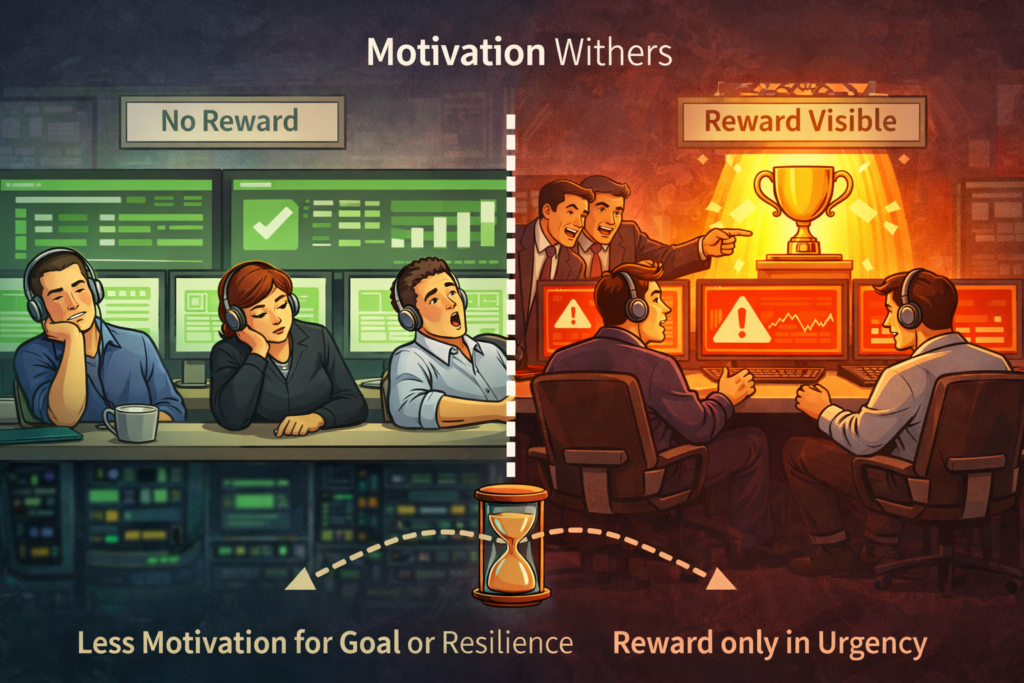
When recognition is tied primarily to urgency, teams slowly adapt their behaviour. Preventative work feels less rewarding, while high-pressure response becomes the most visible way to demonstrate value. Over time, this creates fatigue and discourages long-term thinking.
Engineers remain mentally alert even during stable periods, knowing that urgency can return without warning. This constant readiness affects morale, retention, and ultimately the reliability of the systems they support.
How This Can Be Fixed
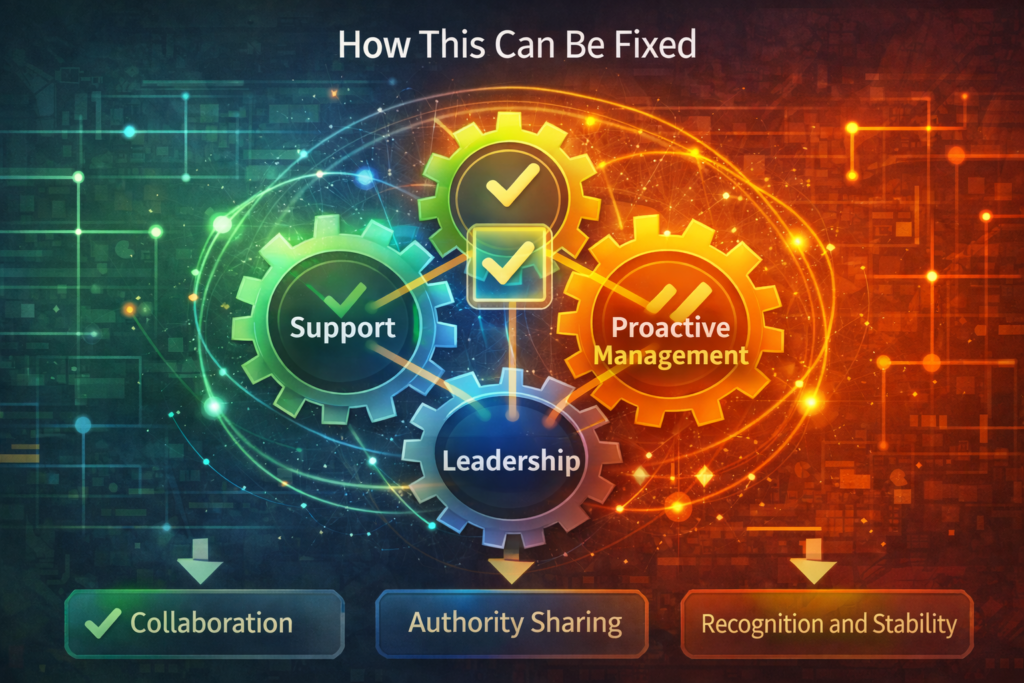
Addressing this issue requires effort from both leadership and support teams. Leadership needs to actively engage during stable periods, asking how systems are being kept healthy and what risks are being managed quietly in the background. Stability should be treated as an outcome worth reviewing, not a default assumption.
Support teams and their managers need to improve how operational work is communicated. Preventative actions, avoided incidents, and reduced risk should be documented and presented in business terms. When stability is framed as a result of deliberate decisions, its value becomes easier to recognise.
Regular reviews focused on system health, not just incidents, help shift attention from reaction to resilience. Over time, this builds a shared understanding that calm production is not luck, but the result of sustained effort.
Closing Thoughts
Production support is most effective when it feels uneventful. Systems run, risks are addressed early, and urgency becomes rare. When attention is limited to demanding moments, this reality is easy to overlook.
Long term operational resilience comes from recognising that stable systems exist because of sustained effort, not because problems simply failed to appear.